Dim Sum & Tea: The Perfect Pairing Guide
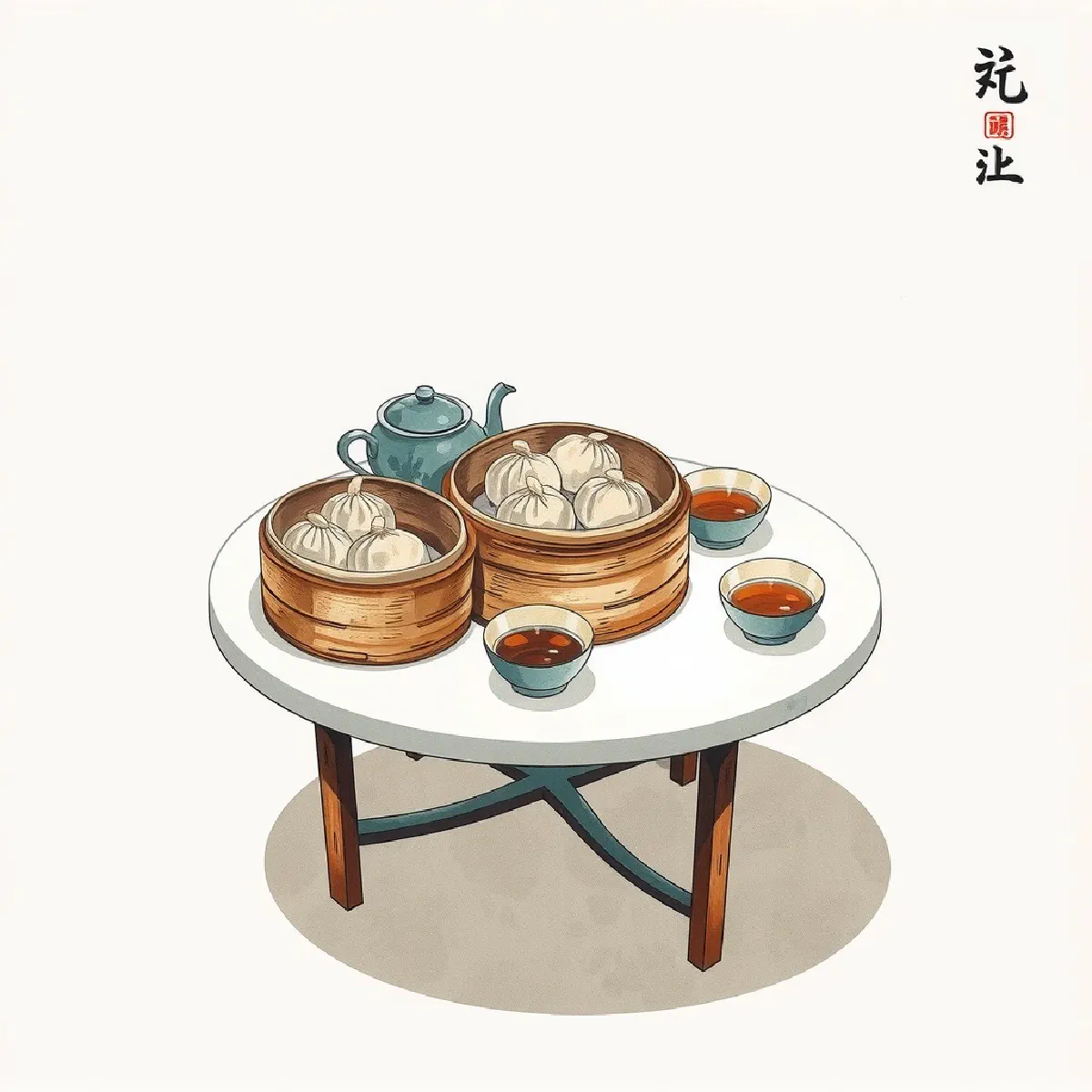
Dim Sum & Tea: The Perfect Pairing Guide
There’s a reason dim sum is synonymous with tea. The Chinese phrase yum cha (飲茶) literally means “drink tea” — the tea isn’t an afterthought, it’s the whole point. The dim sum is what you eat while drinking tea.
But not all teas go with all dim sum. A delicate har gow needs something different than a hearty siu mai or a greasy spring roll. Here’s how to pair like a pro.
The Golden Rules of Dim Sum Tea Pairing
1. Match intensity
Light, delicate dumplings want light, fragrant teas. Rich, fatty dishes want teas that cut through grease.
2. Consider the cooking method
Steamed dim sum pairs best with subtle teas. Fried items need more assertive brews. Braised dishes can handle darker, earthier teas.
3. Let the tea cleanse, not compete
The tea’s job is to refresh your palate between bites. It should complement, not overpower.
4. Temperature matters
Dim sum is served hot — room temperature or slightly warm tea works better than scalding tea, which can overwhelm delicate flavors.
The Pairings
1. Siu Mai (燒賣) + Shou Mei White Tea 🥟
Why it works: Siu mai is rich — pork, shrimp, and mushrooms wrapped in a thin wonton skin. It’s savory and slightly fatty. Shou Mei (寿眉, “Longevity Eyebrow”) is an aged white tea with honeyed, slightly woody notes that cut through the richness without fighting it. Its mild astringency cleanses the palate between bites.
Brewing tip: Use 85°C water, steep 3 minutes. Let it cool slightly before sipping.
Alternative: A light oolong like Tieguanyin also works beautifully.
2. Har Gow (蝦餃) + Jasmine Green Tea 🦐
Why it works: Har gow are the aristocrats of the dim sum cart — translucent wrappers, plump shrimp, clean flavors. Nothing should interfere. Jasmine green tea is floral and delicate, matching the shrimp’s sweetness without overwhelming it. The jasmine fragrance complements rather than masks.
Brewing tip: 80°C water, steep 2-3 minutes. Don’t oversteep or it gets bitter.
Alternative: A premium Dragon Well (Longjing) green tea.
3. Char Siu Bao (叉燒包) + Oolong Tea 🐷
Why it works: Sweet BBQ pork in a fluffy steamed bun — char siu bao is a flavor bomb of sweet, savory, and umami. Oolong tea has the body to stand up to it. A medium-roasted oolong (like Dong Ding or Wuyi Rock Tea) brings a toasty, slightly fruity character that mirrors the caramelized pork.
Brewing tip: 90°C water, steep 1-2 minutes. Multiple infusions work great here.
Alternative: A rich black tea like Keemun.
4. Spring Rolls (春卷) + Pu-erh Tea 🥟
Why it works: Fried foods need a tea that cuts through oil. Pu-erh (ripe/aged) is earthy, smooth, and almost medicinal in its ability to reset your palate. It strips grease and prepares you for the next bite. This is the classic Cantonese dim sum pairing for a reason.
Brewing tip: Boiling water (100°C), quick steep — 20-30 seconds. Rinse the leaves first.
Alternative: Wuyi Rock Tea (Da Hong Pao) for a roasted, mineral kick.
5. Chicken Feet (鳳爪) + Lapsang Souchong 🐔
Why it works: Chicken feet are intensely flavored — fermented black bean sauce, garlic, chili, and that unique sticky, gelatinous texture. You need a tea with personality. Lapsang Souchong (正山小种) is a smoked black tea with a bold, campfire character that stands up to the intensity without backing down.
Brewing tip: 95°C water, steep 2 minutes. The smoke should be present but not overwhelming.
Alternative: A bold Yunnan black tea (Dian Hong).
6. Shrimp Rice Rolls (蝦腸粉) + Silver Needle White Tea 🥢
Why it works: Silky rice noodle rolls with shrimp are all about texture — soft, slippery, delicate. Silver Needle (白毫银针) is the lightest, most elegant white tea, with hay-like sweetness and virtually no astringency. It glides alongside the rice rolls like they were made for each other.
Brewing tip: 75-80°C water, steep 4-5 minutes. Be patient — this tea unfolds slowly.
Alternative: A very light green tea.
7. Turnip Cake (蘿蔔糕) + Tieguanyin 🥕
Why it works: Fried turnip cake is crispy on the outside, soft on the inside, with bits of Chinese sausage and dried shrimp. Tieguanyin (Iron Goddess of Mercy) is a lightly oxidized oolong with floral, creamy notes and a lingering sweetness that complements the savory, pan-fried cake beautifully.
Brewing tip: 90°C water, steep 45 seconds. Tieguanyin can be re-steeped 5-6 times.
8. Sticky Rice in Lotus Leaf (糯米雞) + Shui Xian Oolong 🍚
Why it works: Lotus leaf-wrapped sticky rice is a meal in itself — chicken, sausage, mushroom, egg, all steaming together in an aromatic leaf. Shui Xian (Narcissus) oolong is a rich, dark oolong with a mineral, slightly honeyed character that echoes the earthy, fragrant notes of the lotus leaf.
Brewing tip: 95°C water, steep 10 seconds first infusion, then gradually increase.
The Classic Yum Cha Tea Trolley: A Quick Reference
| Dim Sum | Best Tea | Why |
|---|---|---|
| Siu Mai | Shou Mei white tea | Cuts richness |
| Har Gow | Jasmine green tea | Complements delicacy |
| Char Siu Bao | Oolong tea | Matches sweetness |
| Spring Rolls | Pu-erh | Strips grease |
| Chicken Feet | Lapsang Souchong | Matches intensity |
| Rice Rolls | Silver Needle | Preserves subtlety |
| Turnip Cake | Tieguanyin | Balances savory-sweet |
| Sticky Rice | Shui Xian oolong | Echoes earthiness |
| Egg Tarts | Phoenix Dan Cong | Floral contrast to sweetness |
| Beef Balls | Wuyi Rock Tea | Mineral backbone |
One More Tip: The No-Brew Option
If you’re at a busy dim sum house and don’t want to fuss with gongfu brewing, just order Jasmine tea. It’s the universal dim sum tea — floral enough for delicate dumplings, light enough for fried items, and forgiving enough to sit in a pot for 20 minutes without turning bitter.
It’s the default for a reason.
Next time you push that dim sum cart, you’ll know exactly what to pour. Happy yum cha! 🍵🥟