Storing Chinese Tea at Home (家庭存茶指南)
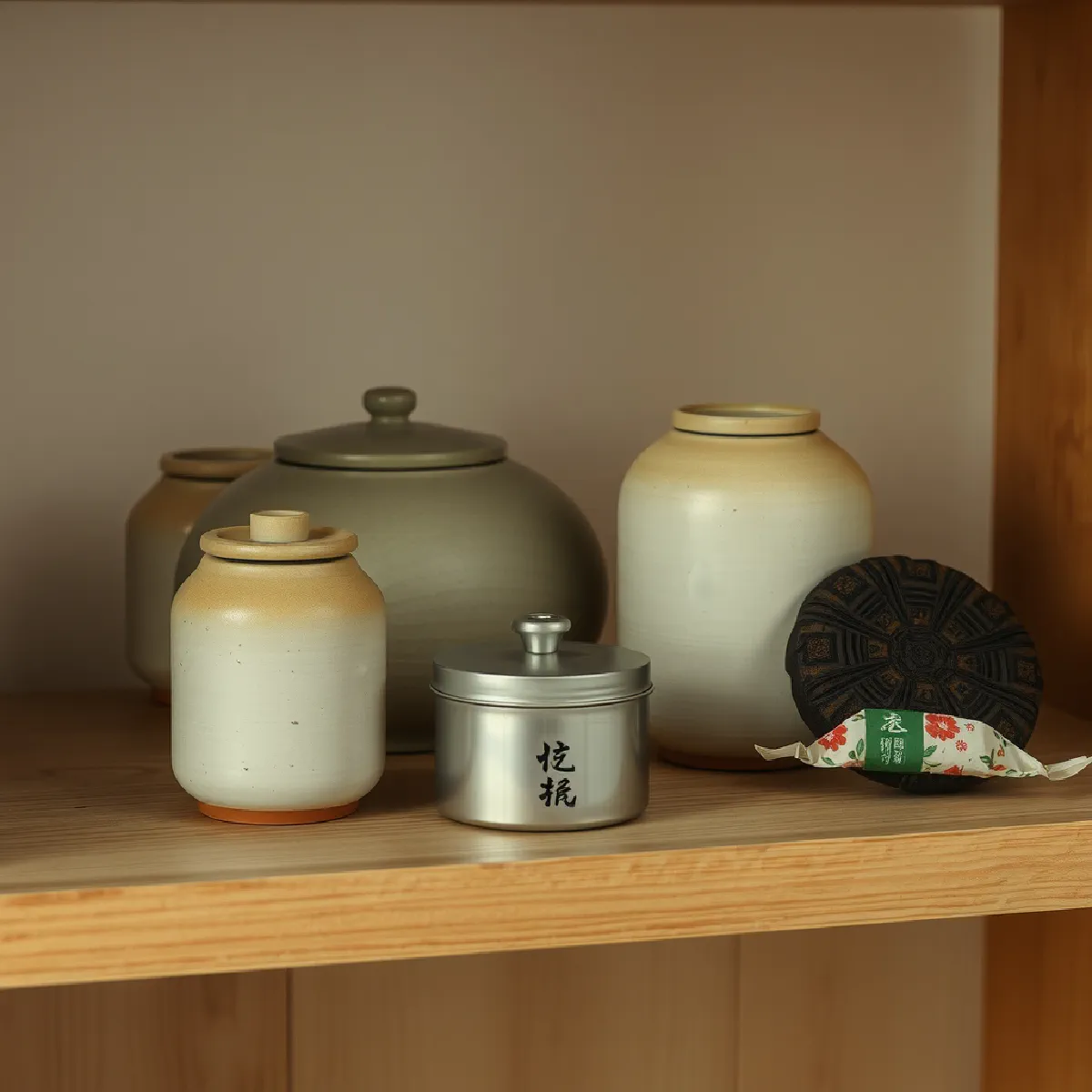
Why Good Tea Goes Bad
You finally splurged on a beautiful spring Longjing — and three months later it tastes like hay. Nothing was wrong with the tea. It was the storage.
Tea has five enemies: light, heat, moisture, oxygen, and odors. Sunlight degrades chlorophyll and aromatic oils, heat accelerates oxidation, humidity above ~70% invites mold, oxygen dulls fresh flavors, and tea leaves absorb any smell nearby — coffee, spices, even the cardboard box they sit in.
The catch is that not every tea wants the same protection. Some teas (green, light oolong) are fresh produce: seal them up and slow time down. Others (pu-erh, white, roasted oolong) are alive: they need air and stable humidity to age well. Treating both groups the same is the most common storage mistake.
The Two Camps
Camp 1: Keep it fresh (seal tightly)
Green tea, yellow tea, jasmine, and light “green-style” oolongs like Tieguanyin or Taiwanese high-mountain oolong are prized for freshness. For these:
- Airtight and opaque. A sealed tin or double-lidded canister, never a clear glass jar on a sunny shelf.
- Small containers. Less trapped air means slower staling. Splitting a large bag into a “using now” tin and a sealed reserve works well.
- Cool. Refrigeration (roughly 0–5°C) genuinely extends the life of green tea and light oolong — with two strict rules below.
- Drink within 6–12 months. These teas are at their best young.
Camp 2: Let it breathe (age gracefully)
Pu-erh (sheng and shou), Liu Bao, Fu brick, white tea, and heavily roasted oolongs improve — or at least mellow — with time.
- Breathable, not airtight. An unglazed clay (zisha) jar, ceramic jar with a loose lid, or the original bamboo wrapping. The slow transformation needs some oxygen.
- Never refrigerate. Cold and condensation stop aging and can ruin the tea.
- Stable room temperature, moderate humidity. For pu-erh, around 60–70% relative humidity is the commonly cited sweet spot; the priority is avoiding swings.
- Away from the kitchen. Aging teas are especially good at absorbing cooking odors over the years.
Quick Reference by Tea Type
| Tea | Container | Fridge? | Best window |
|---|---|---|---|
| Green / yellow | Sealed opaque tin | Yes, if sealed | 6–12 months |
| Jasmine / light oolong | Sealed opaque tin | Yes, if sealed | 12–18 months |
| Roasted oolong (Wuyi, Dong Ding) | Tin, ceramic, or clay | No | 2–10+ years, mellows |
| Red tea (hongcha) | Tin or ceramic | No | 2–3 years |
| White tea | Ceramic, loose lid | No | Drink young or age 3–20+ years |
| Pu-erh / dark tea | Clay jar, bamboo, paper wrapper | Never | 5–50+ years |
The Refrigerator Rules
The fridge is green tea’s best friend and everything else’s worst enemy. If you refrigerate, follow both rules:
- Only refrigerate well-sealed tea. A factory-sealed foil bag or a genuinely airtight tin. A loosely closed pouch will absorb fridge odors and moisture — worse than leaving it out.
- Warm before opening. Take the container out and let it reach room temperature (a few hours) before unsealing. Opening cold tea lets condensation form on the leaves, and damp tea stales fast.
One more: once a tea has lived in the fridge, keep it there. Moving it back and forth between cold and warm cycles moisture through the leaves and degrades flavor quickly.
Practical Setup for an Amateur Shelf
You don’t need a tea cellar. A workable home setup:
- A cupboard away from the stove, window, and spice rack for your Camp 2 teas — cakes in their paper wrappers inside a clean cardboard or bamboo box, roasted oolongs in tins.
- A few small opaque tins for the greens and light oolongs you’re actively drinking.
- The fridge (sealed bags only) for backup stock of spring green tea you want to still taste like spring in December.
- Label everything with the purchase date. Memory is the least reliable storage tool of all.
Store each tea the way it was made to live — sealed and cold for the fresh, breathing and stable for the aging — and even modest leaves will taste the way the farmer intended.